The "Zero-Day" Policy: 5 Habits of Highly Successful Abacus Students
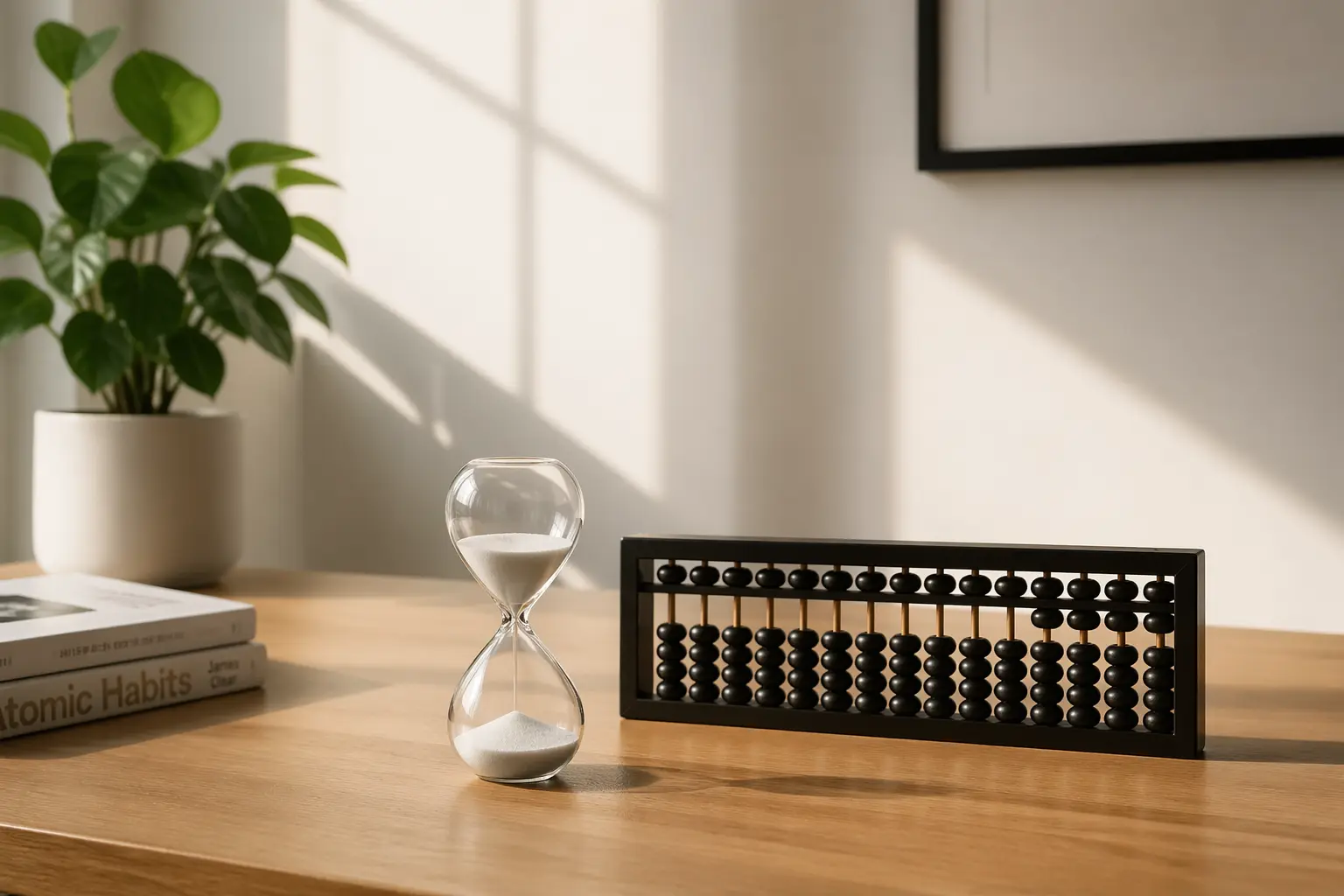
The secret to mastering the abacus isn't talent; it is consistency. We have observed Many students at My Abacus Pro, and the highest achievers—the ones who eventually perform lightning-fast mental math—all share a specific set of habits. They don't practice for hours on weekends; instead, they follow what we call the "Zero-Day" Policy. A "Zero-Day" is a day where you do absolutely nothing toward your goal. To become a master of the Anzan (Mental Abacus), you must simply refuse to have a Zero-Day. Even five minutes is enough to keep the neural pathways active. Here are the five foundational habits that separate the average student from the elite performer.
1. The "15-Minute Sprint" Rule
Top students understand that the brain has a "diminishing return" on concentration. Practicing for two hours once a week is far less effective than practicing for 15 minutes every day. Why? Because neural connections are strengthened through Frequency, not just duration. When a child practices daily, they are performing "Long-Term Potentiation"—the process by which the brain strengthens the synapses used for visualization. A 15-minute focused session keeps the "bead patterns" fresh in the right hemisphere, making the transition to mental math natural and effortless.2. Tactile Precision (The "Click" Habit)
Success on the abacus is a combination of mental logic and physical rhythm. Elite students develop a habit of "Tactile Precision." They don't just move beads; they move them with a specific "snap." This physical feedback sends a clear signal to the brain, helping to lock the calculation into their muscle memory. By treating the abacus like a musical instrument, students build a Kinesthetic Loop. The sound and feel of the beads become a "trigger" for deep focus. This is why our most successful students rarely look at their hands; their fingers "know" where the beads are through habit alone.3. The "Visualization-First" Approach
Whenever a student faces a problem, the habit should be to visualize the answer before touching the beads. This is the "Mental First" habit. Even when using the physical tool, successful students are already "projecting" the movement in their mind’s eye. This constant overlap between the physical and the mental is what builds the Whole-Brain Activation we strive for.4. Error Analysis (The "Growth Mindset")
In competitive environments, many children fear making mistakes. However, successful abacus students have the habit of Immediate Error Analysis. If an answer is wrong, they don't just erase it; they "replay" their mental beads to see exactly where the logic broke down. This mirrors the debugging process in Coding and Software Logic.| Habit Type | The Average Student | The Elite Student |
|---|---|---|
| Frequency | Only during class / Weekends | Daily (The Zero-Day Policy) |
| Session Length | 60+ Minutes (Exhausting) | 15 Minutes (Focused Sprint) |
| Focus | Getting the answer right | Mastering the visualization |
| Mistakes | Seen as failure | Seen as a "logic bug" to fix |
5. Environmental Consistency
High achievers don't rely on "willpower"; they rely on their environment. They have a specific spot at home—a clean desk, a specific chair, and their abacus waiting for them. This environment acts as a "Cognitive Cue." The moment they sit down, their brain knows it is time for math. This is a key part of the Student Transformation Journey.Conclusion: The Compound Effect
As we navigate the competitive world of 2026, the students who succeed are not necessarily the ones with the highest IQ—they are the ones with the best systems. The "Zero-Day" policy ensures that your child is always moving forward, one bead at a time. Success isn't an event; it is a habit. By implementing these five simple shifts, you aren't just helping your child with math; you are teaching them the discipline required to master any skill in life.Start Your 15-Minute Habit Today
Success starts with the first bead. Join the My Abacus Pro community and let’s build a "Zero-Day" culture for your child's future. Join the Success Program →Put these techniques into practice
Want to build the lightning-fast calculation skills mentioned in this article? Our specialized practice tools allow you to drill these specific formulas.
Used by 1,000+ students worldwide to master Soroban techniques.
Written By
Satish Mane (Abacus Trainer)